


In the last article, we explored the idea of ministry bottlenecks. Like a traffic jam caused by one narrow chokepoint, churches often slow down not because everything is broken, but because one part of the system can no longer handle the flow.
- We identified five common bottlenecks that can stall church growth: the pastor bottleneck, the decision-making bottleneck, the guest-path bottleneck, the people-development bottleneck, and the alignment and systems bottleneck.
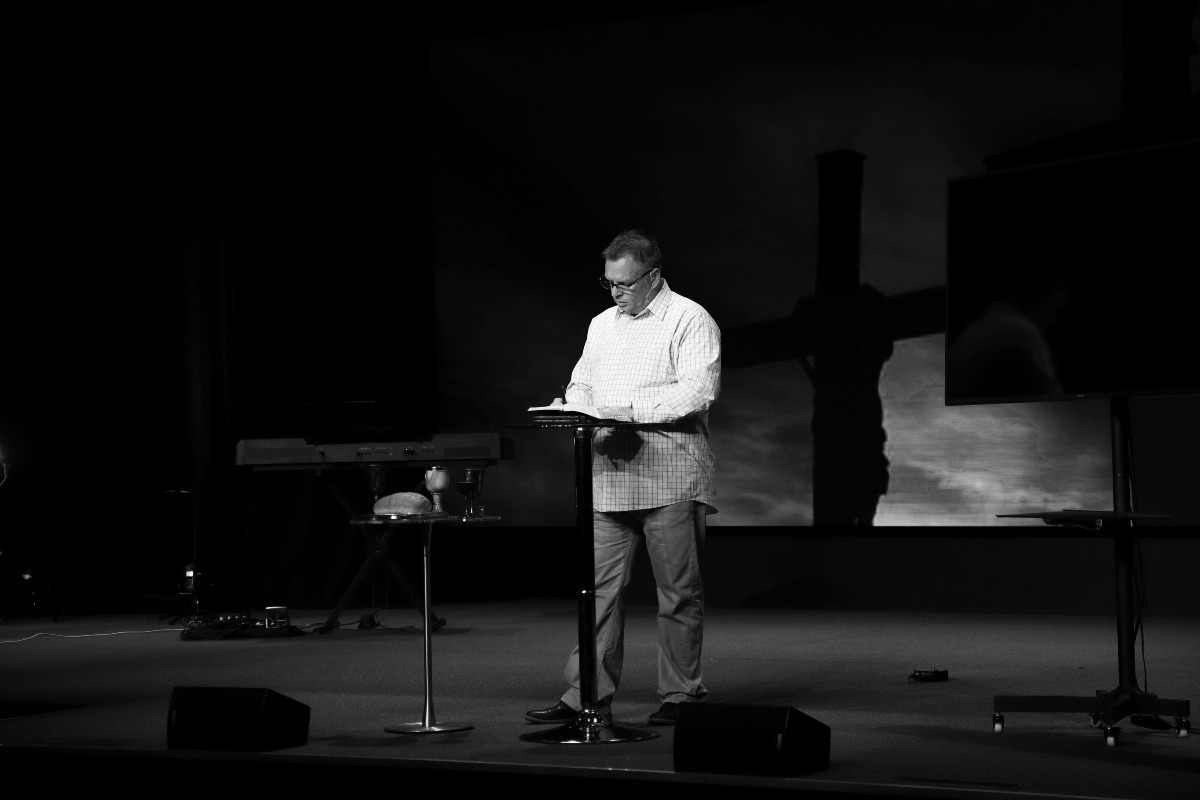
Now it is time to take a closer look at each potential bottleneck in depth, and we will start with the first chokepoint many churches face, the pastor. In How to Break Growth Barriers, Carl F. George and Warren Bird argue that pastors often become the bottleneck that keeps churches from growing past 200.
- That does not usually happen because the pastor is selfish or unwilling. It happens because caring pastors naturally step in wherever the needs are greatest.
At first, having a pastor who wants to meet every need can seem like a strength. The pastor preaches, visits, solves problems, follows up, leads meetings, makes decisions, and fills gaps wherever they appear. But over time, that model becomes hard to sustain.
- To relieve the bottleneck, the pastor has to begin leading in a way that multiplies care, raises up leaders, and equips the entire body for works of service. Here are some practical steps to begin making that shift.
Five Ways To Relieve the Pastor Bottleneck
-
Name the Situation
- Many pastors stay stuck because they treat overload like faithfulness and wear stress like a badge of honor. The first step is simply to admit that what worked at one size will not work forever.
- It may also involve the pastor detangling his or her sense of worth from personally meeting every need. We pastors have to guard against codependency, as well as the subtle expectations we place on ourselves to be omnipotent, omniscient, and omnipresent.
-
Identify everything that flows through the pastor
- Make a list of the decisions, responsibilities, and ministry tasks that currently depend on the pastor. Include the obvious things like preaching and vision, but also the less obvious things like facility questions, benevolence requests, volunteer problems, and ministry approvals.
- Once you can see the traffic pattern, you can begin to spot where too much is being funneled through one lane.
-
Refocus on the pastor’s core calling
- I have heard it said that your goal should be this: “Only do what only you can do.” That may seem unattainable, but the theory is generally good.
- Decide what is central to your lead pastor’s calling. Look for the intersection of how God wired him or her to serve and the church’s needs. Preaching, guarding doctrine, shaping vision, and coaching key leaders usually belong near the top of that list. Equip and empower others to own the rest.
-
Empower others for ministry
- Create reliable systems for ministry coordination. Pastors often become bottlenecks because of a lack of clear procedures and systems.
- Who follows up with guests? Who responds when someone is in crisis? Who helps a new volunteer get connected? The effectiveness of any ministry should never depend on one overextended person remembering everything.
-
Teach the church about shared ministry
- How to Break Growth Barriers describes the evolution that must happen this way: “One essential ingredient is the shift from pastor as sheepherder or primary caregiver to pastor as… maker of other caregivers.” Maybe at a certain stage of the church’s life, the pastor personally attended to every need. That expectation has to be gently reshaped. Ephesians 4 reminds us that leaders are called to equip the saints for works of service, not to do it all themselves.
- When a church understands that shared ministry is God’s design (not second best), delegation no longer feels like abandonment. It starts to feel like empowerment!
It is vital that churches, no matter what size they are, and pastors, no matter how gifted they are, step into this healthier and more biblical ministry model. George and Bird give this caution to pastors: “Even if sacrificial, solo-style caregiving helps produce growth and carries you beyond the 200 barrier, you will reach a stopping point sooner or later. When you reach that capacity limit, you may well discover that your own health is in need of repair, physically, emotionally, and probably spiritually.”
- This change is good for both churches and pastors. When ministry is no longer trapped inside one person’s calendar, energy, availability, and strengths and weaknesses, the whole body will become stronger. More people will receive care. More leaders will be developed. More outreach and evangelism can happen.
What first step will you take today? Need help? Reach out to us, and we’d be glad to walk with you on the journey!
Take FREE Assessment
Latest Articles
Bill Whitt
Why Busy Teams Aren’t Always Fruitful Teams
Bill Whitt
When No One Wants to Be the Bad Guy
Bill Whitt
Why Won’t My Team Commit
Bill Whitt
How Healthy Teams Engage In Conflict
Bill Whitt
A Healthy Team Starts With Trust
Bill Whitt
Living in the Shadow of Idealization
Bill Whitt
Leadership Lessons: It’s All About The Climb
Keith Doornbos
Questions to Discover Renewal Leaders
Keith Doornbos
💬 We’d love to hear from you!
What are your thoughts on this topic? How is your church or community engaging these ideas?
Share your insights below — let’s learn from each other!